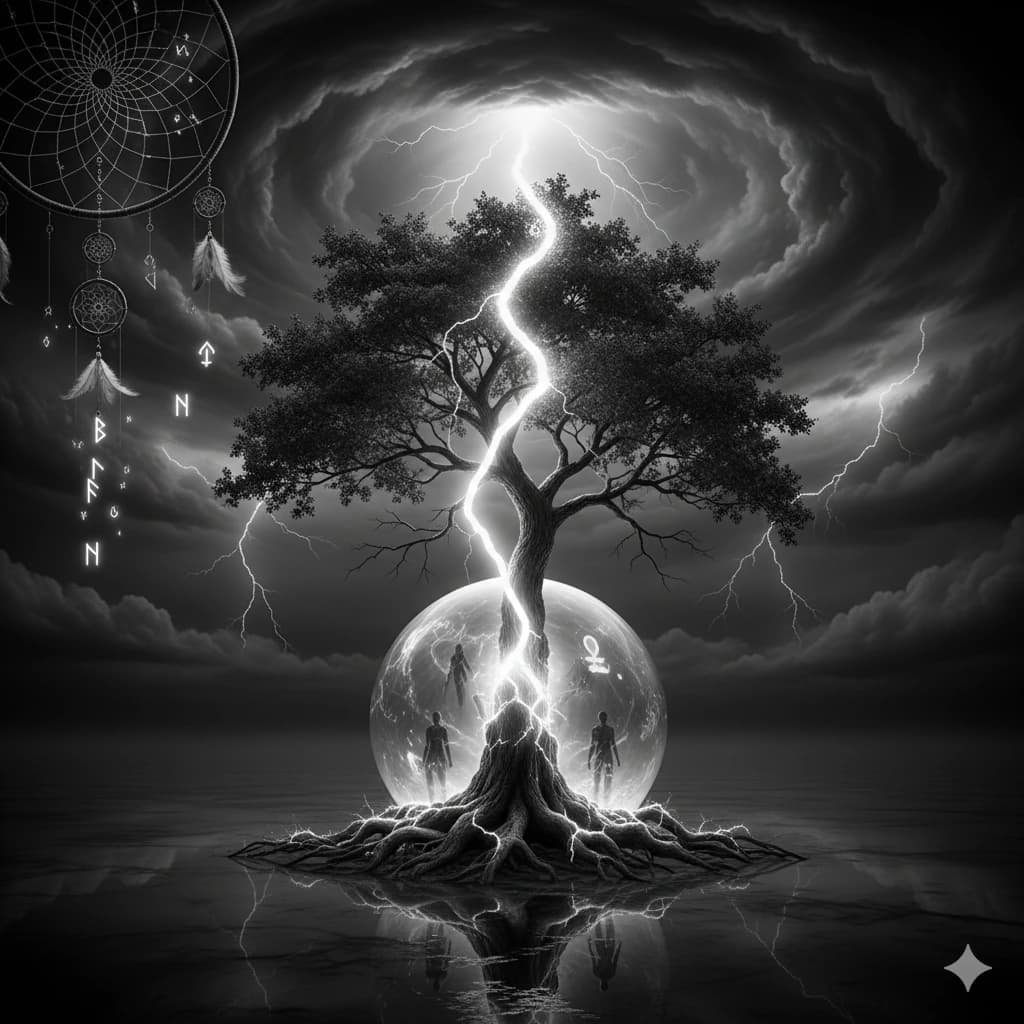
Nature Dream Interpretation: Unlocking the Secrets of Your Subconscious
Dreams featuring natural elements are among the most common and meaningful experiences reported by dreamers worldwide. Whether you're wandering through a lush forest, standing by a tranquil lake, or facing a thunderstorm, these visions tap into deep-seated emotions, archetypal symbols, and universal human experiences. In 2026, as our connection to the environment becomes increasingly vital, understanding nature dreams offers valuable insights into personal well-being and ecological awareness. This article delves into the rich tapestry of nature symbolism in dreams, exploring detailed scenarios, and examining perspectives from psychology, religion, and history to help you decode your nocturnal journeys.
Common Nature Dream Symbols and Their Meanings
Nature in dreams serves as a mirror to your inner world, with each element carrying specific symbolic weight. Here’s a breakdown of key symbols:
Topic Cluster
- Water: Represents emotions, intuition, and the flow of life. Calm water might indicate peace, while turbulent waves could signal emotional turmoil.
- Trees: Symbolize growth, stability, and life cycles. A flourishing tree may reflect personal development, whereas a dead tree might suggest stagnation or loss.
- Animals: Often embody instincts, traits, or messages. For example, a bird could symbolize freedom, while a bear might represent strength or hidden fears.
- Weather: Reflects your emotional climate and life challenges. Sunshine can denote happiness, while storms may indicate conflict or upheaval.
- Mountains: Signify obstacles, goals, or spiritual ascent. Climbing a mountain might represent overcoming challenges, while being at the peak could symbolize achievement.
- Flowers: Associated with beauty, growth, and transience. Blooming flowers may suggest new beginnings, while wilted ones could point to fading opportunities.
Interpreting these symbols requires context—consider how they appear in your dream and your personal associations with them. For instance, if you have a fear of water, dreaming of an ocean might carry different meanings than for someone who loves swimming.
Detailed Dream Scenarios and Interpretations
To illustrate how nature dreams unfold, let’s explore some common scenarios:
Scenario 1: Dreaming of a Forest
Walking through a dense forest in a dream often symbolizes exploration of the unknown or your subconscious mind. If the forest feels peaceful and inviting, it might indicate a desire for solitude or connection with nature. Conversely, a dark or threatening forest could reflect feelings of being lost, confused, or overwhelmed by life’s complexities. Historically, forests have been seen as places of mystery and transformation in myths and folklore, such as in European fairy tales where heroes undergo trials in wooded areas. Psychologically, this dream might encourage you to navigate through uncertainties in your waking life.
Scenario 2: Dreaming of a River or Stream
Rivers in dreams typically represent the flow of time, emotions, or life’s journey. A clear, flowing river might suggest that you are in harmony with your emotions and moving forward smoothly. If the river is polluted or blocked, it could indicate emotional baggage or obstacles hindering your progress. In religious contexts, rivers often symbolize purification and spiritual renewal—for example, in Christianity, baptism involves water as a cleansing agent. From a psychological view, dreaming of a river might prompt you to assess whether you are going with the flow or resisting change.
Scenario 3: Dreaming of Animals in Nature
Encountering animals in natural settings can highlight instinctual behaviors or messages from your subconscious. For instance, dreaming of a deer in a meadow might symbolize gentleness and sensitivity, urging you to embrace these qualities. If the animal is aggressive, like a wolf, it could represent untamed instincts or threats in your life. Historically, many cultures, such as Native American traditions, view animals as totems or guides. Psychologically, these dreams might reveal aspects of your personality that need attention or integration.
| Dream Element | Common Interpretation | Psychological Insight |
|---|---|---|
| Ocean | Vast emotions or unconscious mind | May indicate deep-seated feelings or unexplored potential |
| Mountain | Challenges or aspirations | Reflects personal goals and the effort required to achieve them |
| Storm | Turmoil or conflict | Signals internal or external stressors needing resolution |
| Garden | Growth and nurturing | Suggests areas of life requiring care and cultivation |
Psychological Perspectives on Nature Dreams
From a psychological standpoint, nature dreams are often analyzed through theories like those of Carl Jung and Sigmund Freud. Jungian psychology views natural symbols as part of the collective unconscious—archetypes shared across humanity. For example, the “Great Mother” archetype might appear as Earth or a nurturing landscape, representing creativity and sustenance. Freudian interpretation might focus more on personal symbolism, such as water representing sexual desires or emotional release. Modern cognitive theories suggest that nature dreams help process daily experiences, with elements like weather mirroring your mood. For instance, after a stressful day, you might dream of a storm as a way to metaphorically work through anxiety. Research in 2026 continues to explore how these dreams contribute to emotional regulation and problem-solving, highlighting their role in mental health.
Religious and Historical Views on Nature Dreams
Throughout history, nature dreams have held significant spiritual and cultural meanings. In many religious traditions, natural elements are seen as divine messages or omens. For example, in Hinduism, dreaming of rivers like the Ganges is considered auspicious, symbolizing purification and blessings. In ancient Greek mythology, dreams were often sent by gods through natural symbols, such as Zeus using thunderstorms to convey warnings. Indigenous cultures, like those of the Aboriginal Australians, view nature dreams as connections to the Dreamtime—a sacred era of creation. Historically, figures like the Native American shamans used dream interpretation involving animals and landscapes for guidance and healing. These perspectives enrich our understanding by showing how nature dreams bridge the personal and the cosmic, offering insights that transcend individual experience.
How to Interpret Your Nature Dreams
To effectively interpret your nature dreams, consider these steps: First, keep a dream journal to record details like emotions, colors, and interactions with natural elements. Second, reflect on personal associations—what does a specific tree or animal mean to you? Third, look for patterns over time; recurring nature symbols might highlight ongoing issues or growth areas. Fourth, integrate insights from psychological, religious, or historical views to gain a holistic understanding. For example, if you frequently dream of deserts, it might symbolize feelings of isolation (psychological), a spiritual test (religious), or a historical motif of journey and endurance. By analyzing your dreams in context, you can uncover actionable insights for personal development, such as recognizing when to embrace change (like a flowing river) or when to seek stability (like a sturdy mountain).
Conclusion: Embracing the Wisdom of Nature Dreams
Nature dreams offer a window into your subconscious, blending universal symbols with personal experiences. As we move into 2026, their relevance grows in helping us navigate an increasingly complex world, fostering a deeper connection to both ourselves and the environment. Whether viewed through psychological lenses, religious beliefs, or historical contexts, these dreams provide valuable guidance for emotional well-being and spiritual growth. By paying attention to the natural elements in your dreams—from the smallest flower to the vast sky—you can decode messages about your life path, challenges, and aspirations. Remember, interpretation is subjective; trust your intuition and use these insights as tools for reflection and transformation.