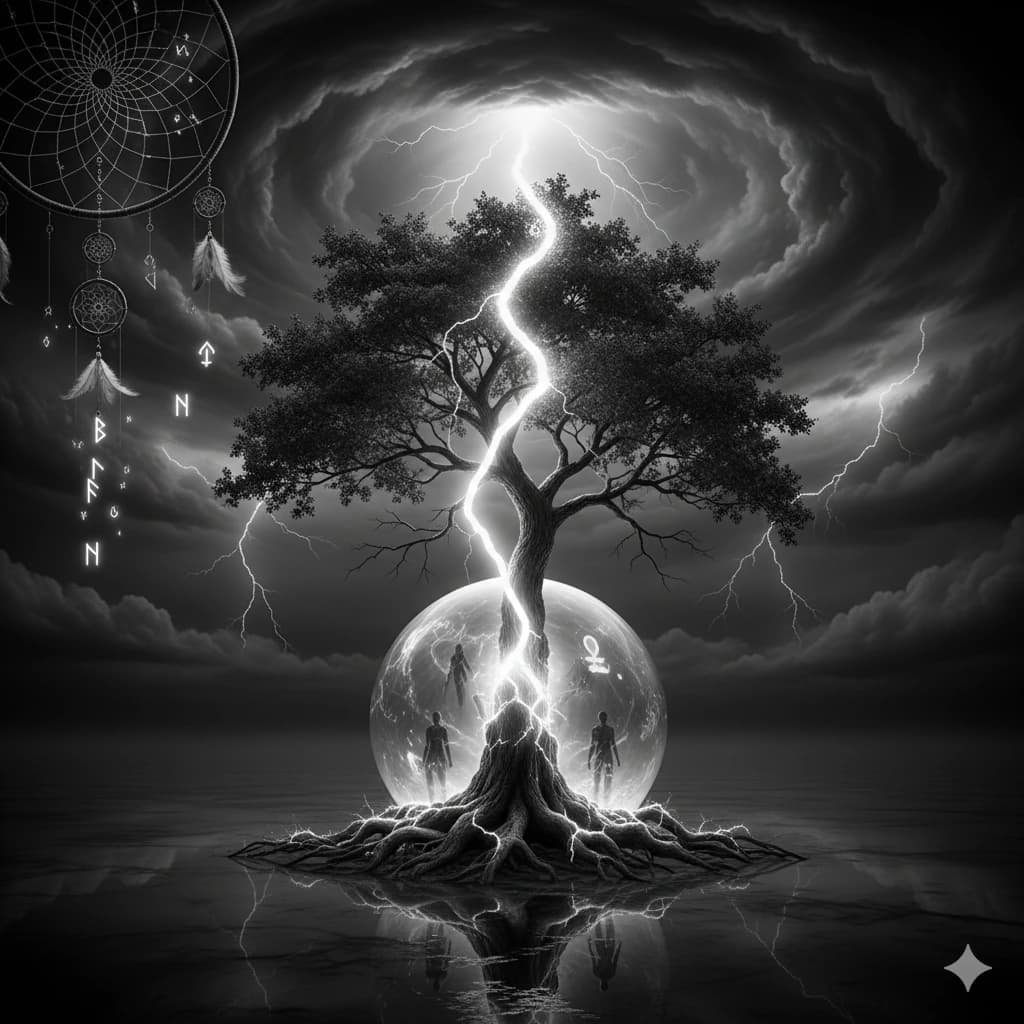
Understanding Pain Dreams: More Than Just Nightmares
Dreams featuring pain—whether physical, emotional, or psychological—are among the most vivid and memorable dream experiences. Unlike typical nightmares that might involve chase scenes or monsters, pain dreams directly engage your sensory and emotional awareness of suffering. According to sleep research from Stanford University's Dream Laboratory, approximately 38% of adults report experiencing pain in dreams at least once annually, with higher frequency among those experiencing stress or emotional challenges.
When you dream of pain, your subconscious mind is often using intense sensation as a metaphor. The pain you feel in dreams rarely corresponds to actual physical conditions (unless you're experiencing discomfort while sleeping), but rather serves as symbolic language. This article will explore the multifaceted interpretations of pain dreams through psychological frameworks, religious traditions, and historical perspectives.
Topic Cluster
Common Scenarios of Pain Dreams and Their Meanings
Pain manifests in dreams through various scenarios, each carrying distinct symbolic significance:
- Physical Injury Dreams: Dreaming of broken bones, cuts, burns, or other physical injuries often represents emotional wounds or vulnerabilities. A dream about a broken arm might symbolize feeling unsupported in waking life, while dream burns could indicate "getting burned" in a relationship or situation.
- Chronic Pain Dreams: Recurring dreams of persistent pain (like back pain or headaches) typically mirror ongoing stress or unresolved issues. These dreams often surface when you're ignoring a problem that needs addressing.
- Emotional Pain Dreams: Dreams where you experience grief, heartbreak, or psychological anguish without physical cause usually reflect current emotional states. You might dream of crying uncontrollably or feeling profound sadness upon waking.
- Inflicting Pain Dreams: Dreams where you cause pain to others can be particularly disturbing. These often represent guilt, repressed anger, or fear of harming relationships. Alternatively, they might symbolize necessary boundaries you need to establish.
- Witnessing Pain Dreams: Observing others in pain frequently symbolizes empathy overload or concern for loved ones. It might also represent helplessness in situations where you wish you could alleviate suffering.
Psychological Perspectives on Pain Dreams
Modern psychology offers several frameworks for understanding pain in dreams:
Freudian Interpretation: Sigmund Freud viewed pain dreams as manifestations of repressed desires or childhood trauma seeking expression. In Freudian dream analysis, physical pain might symbolize psychological conflict between the id (instinctual desires) and superego (moral conscience). A toothache dream, for instance, could represent anxiety about saying something inappropriate.
Jungian Analysis: Carl Jung interpreted pain dreams as part of the individuation process—the journey toward psychological wholeness. From this perspective, dream pain often precedes personal growth, representing the necessary suffering before transformation. Jungian analysts might view a dream of childbirth pain as symbolic of giving birth to new aspects of the self.
Cognitive Dream Theory: Contemporary researchers like G. William Domhoff suggest pain dreams help process emotional experiences. The brain uses dream pain to work through waking-life distress, essentially allowing you to "practice" coping with difficult emotions in a safe environment. This theory explains why people often report pain dreams during periods of grief or transition.
Threat Simulation Theory: Proposed by Antti Revonsuo, this evolutionary perspective suggests pain dreams serve as rehearsal for real dangers. While most relevant to survival threats (like predator attacks), it might explain why we sometimes dream of injuries—our brains preparing us for potential harm.
Religious and Spiritual Interpretations of Pain Dreams
Various religious traditions offer unique lenses for understanding pain in dreams:
Christian Interpretation: In Christian dream analysis, pain often carries redemptive symbolism. Dreams of suffering might represent sharing in Christ's passion, purification from sin, or spiritual testing. Some Christian dream dictionaries suggest that pain dreams can indicate the need for prayer or repentance, while others view them as opportunities to develop compassion.
Islamic Perspective: Islamic dream interpretation (ta'bir) distinguishes between pain dreams from different sources. Pain caused by known persons might warn of conflicts, while anonymous infliction could indicate spiritual attacks. Many Islamic scholars caution against overinterpreting pain dreams, emphasizing that only consistently troubling dreams should cause concern.
Buddhist View: Buddhism interprets dream pain as manifestations of attachment and aversion. From this perspective, suffering in dreams reflects the fundamental truth of dukkha (unsatisfactoriness) in earthly existence. Such dreams might encourage mindfulness practice or signal the need to address attachments causing waking-life suffering.
Indigenous Traditions: Many indigenous cultures view dream pain as communication from ancestors or spirits. In some Native American traditions, for example, dreaming of specific pains might indicate the need for healing ceremonies or signal upcoming challenges requiring community support.
Historical Perspectives on Pain Dreams
The interpretation of pain dreams has evolved significantly throughout history:
| Historical Period | Common Interpretation | Notable Examples |
|---|---|---|
| Ancient Mesopotamia (2000 BCE) | Messages from gods; omens requiring priestly interpretation | Clay tablets describe dream pain as divine warnings |
| Classical Greece (500-300 BCE) | Diagnostic tool for physical ailments; messages from Asclepius | Hippocrates recorded pain dreams to diagnose patients |
| Middle Ages (500-1500 CE) | Spiritual tests or demonic attacks | Christian mystics like Hildegard von Bingen documented pain dreams |
| Renaissance (1400-1600) | Melancholy or imbalance of humors | Medical texts linked dream pain to black bile excess |
| Victorian Era (1800s) | Nervous disorders or repressed emotions | Early psychologists began systematic study |
This historical evolution shows how cultural contexts shape dream interpretation. What was once viewed as divine communication became medical symptomology, then psychological metaphor.
Practical Steps After a Pain Dream
If you experience a disturbing pain dream, consider these approaches:
- Record Immediately: Write down details upon waking—type of pain, location, intensity, and dream context. Patterns emerge over time.
- Emotional Check-in: Ask what emotions the dream evoked and whether they connect to waking-life feelings.
- Symbolic Translation: Convert physical sensations to emotional equivalents. Chest pain might equal heartache; headache could mean mental overload.
- Contextual Analysis: Consider recent life events. Pain dreams often follow conflicts, losses, or significant changes.
- Professional Consultation: For recurring or traumatic pain dreams, consider speaking with a therapist specializing in dream work or trauma.
Remember that occasional pain dreams are normal, especially during stressful periods. They typically indicate processing rather than prediction. However, if pain dreams become frequent or severely distressing, they might signal underlying issues requiring attention.
The Healing Potential of Pain Dreams
Paradoxically, pain dreams often serve healing functions. By allowing you to experience suffering in a controlled dream environment, your mind can develop resilience and process emotions that might overwhelm waking consciousness. Many people report that after intense pain dreams, they wake with greater clarity about problems or emotional relief.
Contemporary research in neuropsychology suggests that the brain regions activated during dream pain overlap with those involved in emotional processing. This neurological connection supports the idea that dream suffering helps integrate difficult experiences.
Ultimately, pain dreams remind us of our shared human capacity for suffering and resilience. Rather than fearing these dreams, we might learn to appreciate their role in our psychological ecosystem—the mind's way of tending to wounds, both old and new.