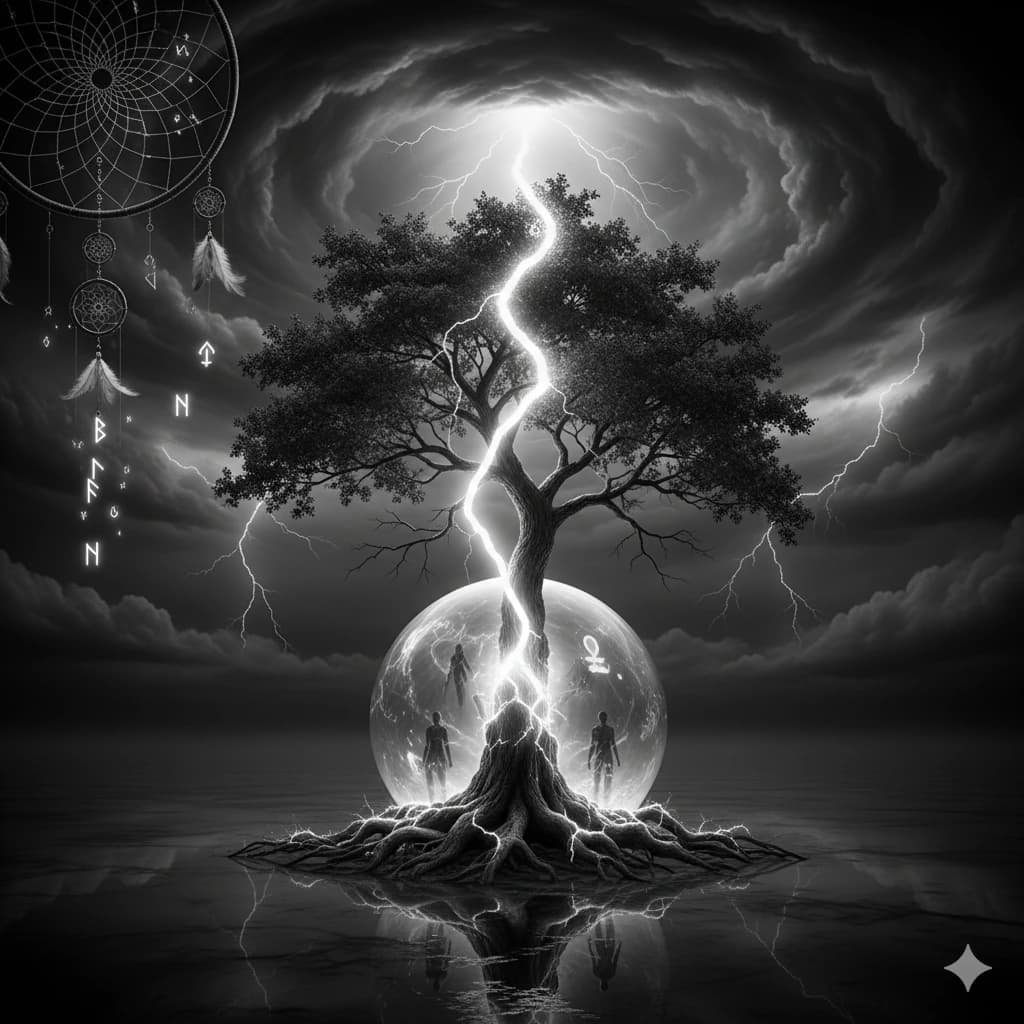
Understanding Funeral Dreams: Beyond the Surface of Mourning
Dreaming of funerals ranks among the most unsettling dream experiences, often leaving dreamers anxious upon waking. However, in dream interpretation, funeral dreams rarely predict actual death. Instead, they serve as powerful metaphors for endings, transitions, and psychological processes. In 2026, with increasing interest in subconscious exploration, understanding these dreams has become more relevant than ever.
Funeral dreams can manifest in various scenarios: attending a funeral, being the deceased, organizing a ceremony, or even witnessing your own funeral. Each variation carries nuanced meanings. These dreams often emerge during periods of significant change—career shifts, relationship endings, personal growth phases, or when processing loss.
Topic Cluster
Common Funeral Dream Scenarios and Their Meanings
Interpreting funeral dreams requires examining specific details. Here are detailed scenarios with their potential interpretations:
- Attending a Funeral: This often represents saying goodbye to an aspect of yourself or your life. If you recognize the deceased, consider what that person symbolizes to you. A friend's funeral might indicate changes in that relationship or qualities you associate with them.
- Your Own Funeral: Contrary to fear, this usually signals personal transformation. You're witnessing the 'death' of an old self, belief system, or lifestyle. It can indicate profound personal growth or the need to reevaluate your life path.
- Organizing a Funeral: Suggests you're actively managing an ending or transition in your waking life. You might be overseeing the conclusion of a project, relationship, or phase with deliberate care.
- Empty or Crowded Funerals: An empty ceremony might indicate unacknowledged endings or isolated grief, while crowded ones could suggest shared transitions or public aspects of your life changing.
- Disrupted or Strange Funerals: Unusual events during the funeral (like laughter, technical issues, or supernatural elements) often highlight unresolved feelings about an ending or resistance to change.
Psychological Perspectives on Funeral Dreams
From a psychological standpoint, funeral dreams are rich with meaning. Carl Jung viewed them as representations of the 'death' of psychological complexes or outgrown personality aspects. Sigmund Freud might interpret them as wish fulfillment or processing repressed emotions about loss.
Modern psychology suggests several frameworks:
- Transition and Change: Funeral dreams frequently appear during life transitions—graduations, career changes, moving homes, or relationship shifts. They help the psyche process these endings.
- Unresolved Grief: Sometimes, these dreams surface when you haven't fully processed a past loss, even if it occurred years ago. The dream may be prompting completion of mourning.
- Personal Transformation: As we evolve, old identities, habits, or beliefs must 'die' to make room for new growth. Funeral dreams can mark these internal transformations.
- Anxiety About Endings: In times of uncertainty, funeral dreams might express fears about conclusions—whether in relationships, projects, or life phases.
Cultural and Religious Interpretations Across Traditions
Funeral dream meanings vary significantly across cultures and religions, offering diverse perspectives:
| Tradition | Interpretation | Common Beliefs |
|---|---|---|
| Christianity | Often viewed as spiritual rebirth or warning against sinful ways | May symbolize death to old self in Christ, resurrection themes |
| Islam | Generally positive, indicating end of troubles or repentance | Dreams of own funeral can mean long life; others' funerals might suggest relief from burdens |
| Hinduism | Connected to karma and reincarnation cycles | May represent shedding karmic debt or completion of life phase |
| Chinese Tradition | Contrary to Western views, often considered auspicious | Dreaming of funerals can predict wealth, success, or reversal of misfortune |
| Native American | Seen as messages about community or personal transitions | Might indicate need for ritual closure or honoring ancestors |
These variations highlight how cultural context shapes dream interpretation. In 2026's globalized world, many dreamers blend multiple perspectives based on their heritage and experiences.
Historical Views on Funeral Dreams
Historically, funeral dreams have been recorded and interpreted for millennia:
- Ancient Egypt: Funeral dreams were taken seriously as messages from the afterlife, often requiring priestly interpretation for pharaohs and commoners alike.
- Greco-Roman World: Dream temples recorded funeral dreams as omens. Artemidorus' Oneirocritica (2nd century CE) detailed interpretations based on funeral details.
- Medieval Europe: Often viewed through religious lenses—either as divine warnings or demonic temptations, requiring careful discernment.
- Victorian Era: With rising interest in spiritualism, funeral dreams were sometimes considered visitations from the deceased or premonitions.
- 20th Century: Psychological interpretations gained prominence, shifting focus from supernatural to subconscious meanings.
Practical Steps After a Funeral Dream
If you experience a funeral dream, consider these approaches:
- Record Details Immediately: Note emotions, people, settings, and unusual elements upon waking. These specifics guide interpretation.
- Reflect on Current Life: Identify what might be 'ending' or transitioning—relationships, jobs, habits, or self-concepts.
- Process Unresolved Grief: If the dream evokes sadness about past losses, consider whether you need closure or support.
- Embrace Transformation: View the dream as an opportunity for growth. What needs to 'die' to make room for new beginnings?
- Cultural Consultation: If from a specific tradition, explore its interpretations while balancing with personal relevance.
When Funeral Dreams Might Signal Concerns
While usually symbolic, consider professional help if:
- Dreams become recurrent and distressing
- They accompany depression or anxiety symptoms
- You're experiencing complicated grief
- Dreams disrupt daily functioning
In 2026, dream therapy has gained acceptance, with professionals helping individuals explore such dreams safely.
Conclusion: Funeral Dreams as Guides, Not Omens
Dreaming of funerals in 2026 remains a profound psychological experience. Rather than fearing these dreams as death premonitions, we can understand them as our psyche's way of navigating endings and transformations. They encourage us to examine what needs release in our lives, process unresolved emotions, and embrace necessary changes. By exploring the rich tapestry of psychological, cultural, and historical interpretations, we transform anxiety into insight, using these dreams as tools for personal growth and understanding.
As dream research advances, our appreciation for funeral dreams' complexity deepens. They remind us that endings—whether of relationships, life phases, or outdated self-concepts—are natural parts of human experience. By honoring these symbolic funerals in our dream world, we make space for rebirth and renewal in our waking lives.