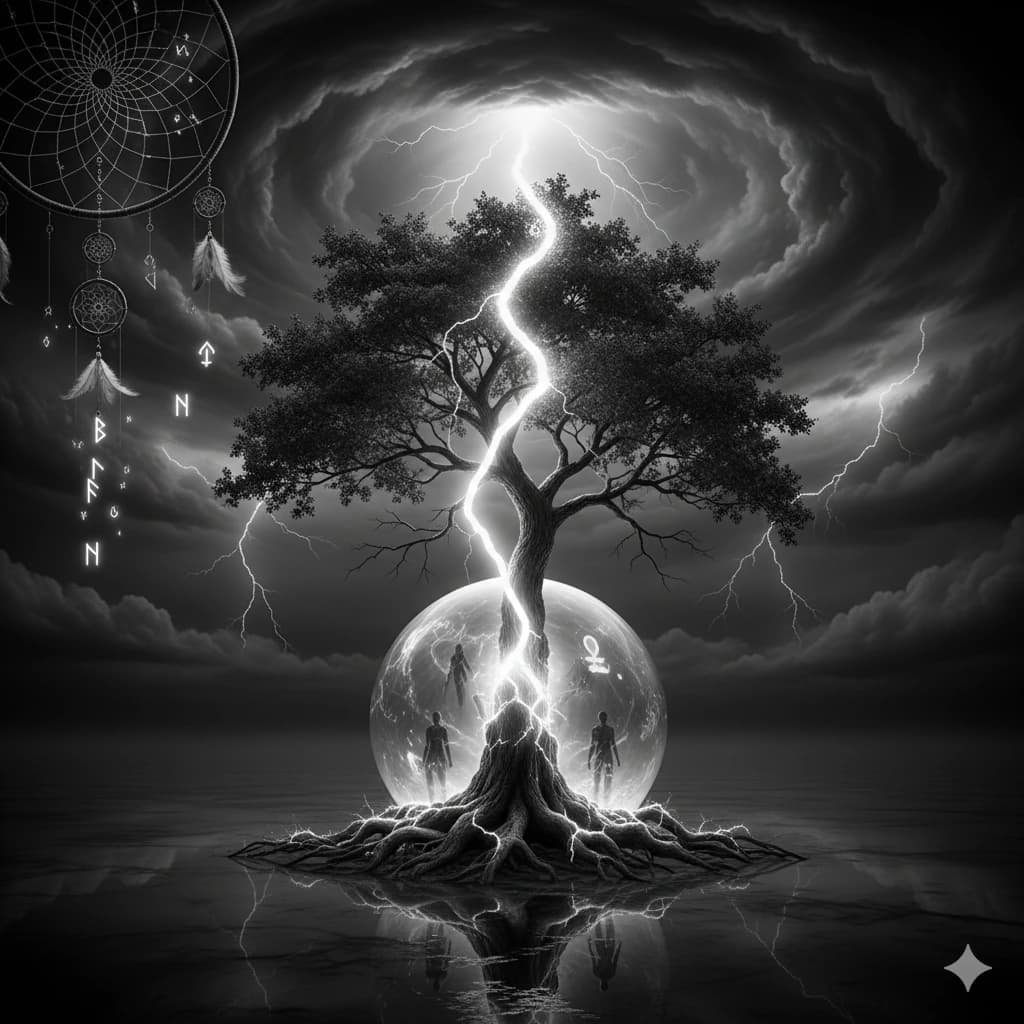
Understanding Ghost Dreams: More Than Just Nightmares
Dreaming about ghosts is one of the most common yet misunderstood dream experiences. While many people wake up frightened or disturbed by these visions, ghost dreams rarely indicate actual supernatural encounters. Instead, they serve as powerful metaphors from your subconscious mind, revealing hidden truths about your emotional state, past experiences, and spiritual journey.
According to dream analysis experts, approximately 35% of adults report having ghost dreams at least once in their lifetime. These dreams can range from fleeting apparitions to complex narratives involving communication with spirits. The context, emotions, and details of your ghost dream provide crucial clues to its meaning.
Topic Cluster
Common Ghost Dream Scenarios and Their Meanings
Different types of ghost dreams carry distinct messages. Here are the most frequent scenarios and their interpretations:
- Seeing a Ghost from Afar: This often represents unresolved issues or emotions you're avoiding. The distance suggests you're aware of the problem but not ready to confront it directly.
- Being Chased by a Ghost: Typically indicates running from past mistakes, guilt, or aspects of yourself you dislike. The faster you run, the more urgent the need to address these issues.
- Communicating with a Ghost: When you can talk to or understand the ghost, this suggests wisdom from your subconscious or messages about unfinished business. Pay attention to what the ghost says or represents.
- Friendly or Protective Ghosts: These often symbolize guidance, ancestral wisdom, or positive aspects of your past that continue to influence you. They may appear during times of decision-making or transition.
- Multiple Ghosts or Haunted Locations: Represents overwhelming emotions, complex situations, or multiple unresolved issues in your life. The setting provides additional clues about which areas of your life need attention.
Psychological Perspectives on Ghost Dreams
From a psychological standpoint, ghost dreams are rich with symbolic meaning. Sigmund Freud viewed them as manifestations of repressed desires and unresolved conflicts, particularly those related to childhood experiences or forbidden thoughts. Carl Jung took a more spiritual approach, seeing ghosts as archetypes representing the shadow self—the parts of our personality we deny or suppress.
Modern psychology suggests several interpretations:
- Unresolved Grief: Ghosts often appear during mourning periods or anniversaries of losses. They may represent your ongoing connection to loved ones or unfinished emotional business.
- Fear and Anxiety: Ghosts can symbolize what frightens you in waking life, whether it's change, uncertainty, or specific situations causing stress.
- Self-Reflection: Sometimes the ghost represents aspects of yourself you've "killed off" or denied, such as creativity, passion, or certain personality traits.
- Warning Signals: Recurring ghost dreams might indicate that you're ignoring important issues that need addressing before they cause bigger problems.
Religious and Spiritual Interpretations Across Cultures
Different religious traditions offer unique perspectives on ghost dreams:
| Tradition | Interpretation | Common Beliefs |
|---|---|---|
| Christianity | Often viewed as spiritual messages or tests of faith | May represent souls in purgatory, divine messages, or demonic influences depending on context |
| Buddhism | Seen as manifestations of attachment or unresolved karma | Ghosts represent beings trapped between realms due to strong earthly attachments |
| Hinduism | Interpreted as ancestral spirits or pretas (hungry ghosts) | May indicate need for rituals, unresolved family matters, or spiritual progress |
| Indigenous Traditions | Viewed as ancestor communications or spiritual guides | Often seen as positive messages requiring attention to traditional practices |
In many spiritual traditions, ghost dreams are considered opportunities for growth and understanding rather than mere nightmares. They may prompt you to examine your spiritual beliefs, connect with ancestors, or address moral and ethical questions in your life.
Historical Context of Ghost Symbolism
The interpretation of ghost dreams has evolved significantly throughout history:
- Ancient Civilizations: Egyptians, Greeks, and Romans believed ghost dreams were actual visitations from the dead, often requiring rituals or offerings to appease the spirits.
- Medieval Period: Ghosts were frequently associated with omens, divine messages, or demonic influences. Dream interpretation manuals from this era often categorized ghost dreams by their religious significance.
- Victorian Era: The rise of spiritualism brought new interpretations, with ghosts seen as evidence of an afterlife and opportunities for communication across realms.
- Modern Times: Psychological interpretations dominate, though spiritual perspectives continue to influence how people understand these dreams.
This historical evolution shows how cultural context shapes dream interpretation. What was once seen as a literal spirit visitation is now often understood as psychological symbolism, though many people still find spiritual meaning in these experiences.
Practical Steps for Analyzing Your Ghost Dreams
To understand your specific ghost dream, consider these steps:
- Record Immediately: Write down every detail upon waking, including emotions, colors, sounds, and dialogue.
- Identify Personal Connections: Does the ghost resemble someone you know? Does the setting relate to your past?
- Examine Current Life Context: What stresses, decisions, or changes are you facing? Ghost dreams often mirror waking life challenges.
- Consider Emotional Responses: Your feelings during and after the dream provide crucial clues about its meaning.
- Look for Patterns: Recurring ghost dreams suggest persistent issues needing attention.
Remember that dream interpretation is personal. While general guidelines exist, your unique experiences, beliefs, and emotions ultimately determine what your ghost dream means for you.
When to Seek Professional Help
While most ghost dreams are normal, certain patterns might indicate underlying issues requiring professional attention:
- Recurring nightmares causing sleep disruption or daytime anxiety
- Dreams accompanied by sleep paralysis or other sleep disorders
- Visions that blur with waking reality or cause significant distress
- Dreams following traumatic events that interfere with healing
Mental health professionals, particularly those specializing in dream analysis or trauma therapy, can help you understand and work through disturbing dream patterns.
Transforming Fear into Understanding
Ghost dreams, while often frightening, offer valuable insights into your inner world. By approaching them with curiosity rather than fear, you can uncover hidden truths about yourself, resolve past issues, and gain clarity about your life's direction. Whether you interpret them psychologically, spiritually, or personally, these dreams serve as messengers from your subconscious, guiding you toward greater self-awareness and growth.
As we move through 2026, understanding dream symbolism becomes increasingly important in our fast-paced world. Ghost dreams remind us to slow down, reflect on what we might be ignoring, and honor both our past experiences and future potential. By learning to interpret these visions, you transform nighttime fears into daytime wisdom, using your dreams as tools for personal development and spiritual exploration.