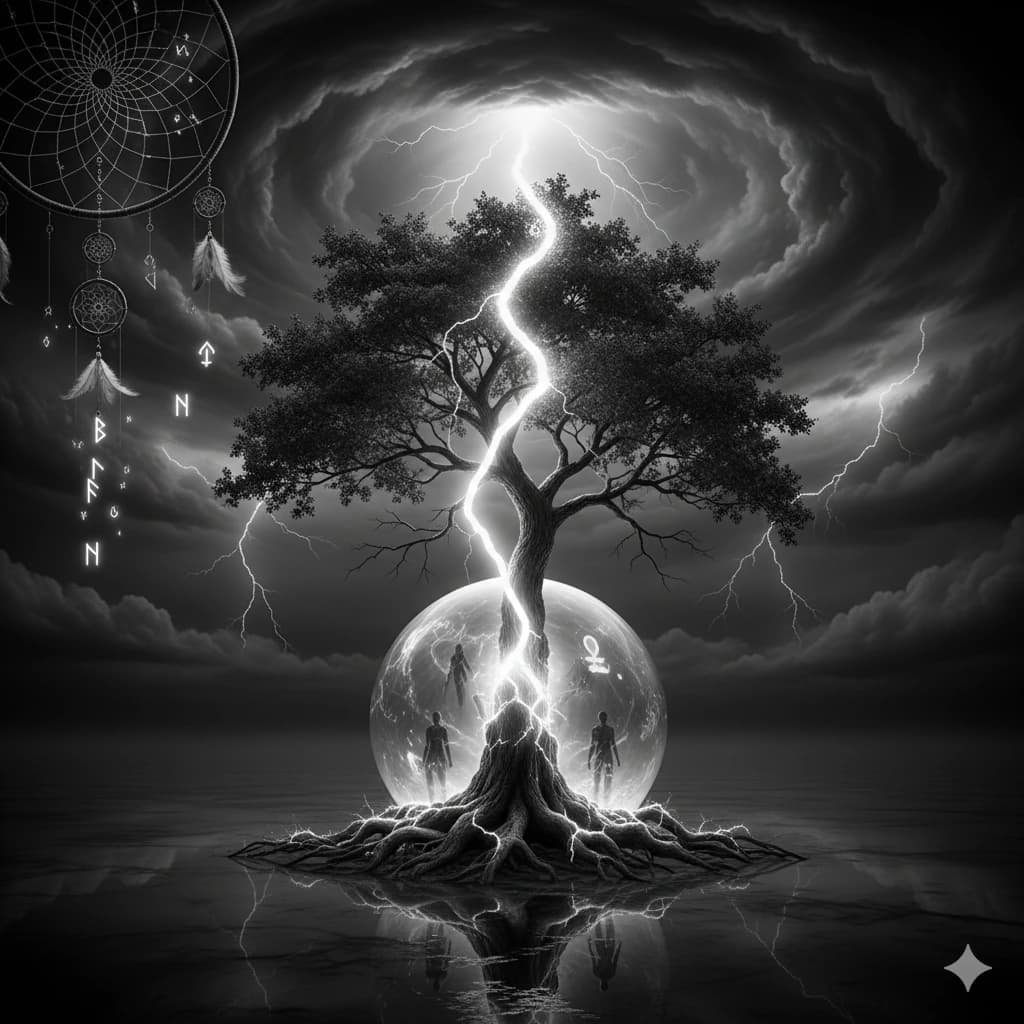
Magic Dream Interpretation: Decoding the Mystical Symbols in Your Sleep
Dreams about magic are among the most captivating and enigmatic experiences in the realm of sleep. They can transport you to worlds where the impossible becomes possible, where wands cast spells, potions brew transformations, and mystical forces shape reality. But what do these dreams truly mean? In this comprehensive guide, we delve into the symbolism of magic in dreams, exploring detailed scenarios, religious perspectives, historical contexts, and psychological views to help you unlock the secrets of your subconscious mind.
Detailed Scenarios and Their Interpretations
Magic dreams vary widely in their imagery and emotional tone. Here are some common scenarios and what they might signify:
Topic Cluster
- Performing Magic: If you dream of casting spells or using magical abilities, it often represents a sense of personal power, creativity, or control in your waking life. You may be tapping into hidden talents or seeking to influence situations around you. For example, a dream where you successfully perform a healing spell could indicate a desire to help others or resolve conflicts.
- Witnessing Magic: Seeing others perform magic in your dream might symbolize feelings of awe, inspiration, or envy. It could reflect your admiration for someone's skills or a sense that external forces are at play in your life. A dream about watching a magician on stage might suggest you feel like a spectator in your own life, lacking agency.
- Magic Gone Wrong: Dreams where spells backfire or magical objects malfunction often point to fears of failure, unintended consequences, or loss of control. For instance, a dream about a potion that causes harm instead of healing could mirror anxieties about making mistakes in important decisions.
- Learning Magic: If you dream of studying magic in a school or from a mentor, it may symbolize personal growth, education, or spiritual development. This scenario often arises during times of transition, such as starting a new job or exploring a new hobby, where you are acquiring new skills or knowledge.
- Magical Creatures or Objects: Encounters with wands, crystals, or mythical beings like fairies or wizards can represent archetypal symbols from your psyche. A dream about finding a magical amulet might signify discovering inner strength or protection, while interacting with a wise wizard could reflect a need for guidance in waking life.
Emotions play a crucial role in interpretation. A joyful magic dream might indicate optimism and empowerment, whereas a fearful one could reveal underlying anxieties about the unknown or supernatural influences.
Religious and Spiritual Perspectives
In religious contexts, dreams of magic often carry profound spiritual meanings, though interpretations vary across traditions:
- Christianity: In many Christian views, magic in dreams is often associated with temptation, sin, or demonic influence, reflecting biblical warnings against sorcery (e.g., Galatians 5:19-21). However, positive interpretations exist, such as seeing magic as a metaphor for God's miraculous power or spiritual gifts. For example, a dream about performing healing magic might be interpreted as a call to use one's faith for good.
- Islam: Islamic dream interpretation, based on teachings from figures like Ibn Sirin, often distinguishes between good and bad magic. Dreams of beneficial magic, like protection spells, might symbolize divine blessings or answered prayers, while harmful magic could indicate envy or evil influences from others, urging the dreamer to seek refuge in God.
- Hinduism and Buddhism: In Eastern traditions, magic in dreams is frequently linked to concepts like Maya (illusion) or spiritual practices such as meditation and tantra. Dreaming of magical transformations might symbolize the impermanent nature of reality or the pursuit of enlightenment. For instance, a dream about using magic to achieve peace could reflect a desire for inner harmony through spiritual discipline.
- Indigenous and Pagan Beliefs: Many indigenous and pagan cultures view magic dreams as connections to ancestral wisdom, natural forces, or shamanic journeys. A dream about communing with magical spirits might be seen as a message from the spirit world or a call to embrace one's intuitive abilities.
These perspectives highlight how cultural and religious backgrounds shape the symbolism of magic, emphasizing themes of morality, spirituality, and the supernatural.
Historical Contexts of Magic in Dreams
Throughout history, magic has been a recurring theme in dreams, often reflecting societal attitudes and beliefs:
| Time Period | Interpretation Trends | Examples |
|---|---|---|
| Ancient Civilizations | Dreams of magic were seen as omens or divine messages. In ancient Egypt, magic dreams might be interpreted by priests as signs from gods like Thoth, associated with wisdom and magic. | Egyptian dream papyri describe magical dreams as prophecies or warnings. |
| Medieval Europe | During the witch trials, magic dreams were often feared as evidence of witchcraft or demonic pacts, leading to negative interpretations and persecution. | Records from the Malleus Maleficarum mention dreams of magic as indicators of heresy. |
| Renaissance and Enlightenment | With the rise of alchemy and hermeticism, magic dreams were viewed more symbolically, representing personal transformation or hidden knowledge, as seen in the works of Carl Jung later on. | Alchemists like Paracelsus interpreted magical dreams as steps in the spiritual quest for the Philosopher's Stone. |
| Modern Era | Influenced by psychology and pop culture, magic dreams are often analyzed for personal insights, with themes from literature and media (e.g., Harry Potter) shaping contemporary symbolism. | Sigmund Freud and Jung used magical motifs to explore unconscious desires and archetypes. |
This historical evolution shows how magic in dreams has shifted from supernatural omens to psychological symbols, mirroring changes in human understanding of the mind and reality.
Psychological Views on Magic Dreams
From a psychological standpoint, dreams of magic are rich with insights into the unconscious mind. Key theories include:
- Freudian Perspective: Sigmund Freud might interpret magic dreams as expressions of repressed desires or wish-fulfillment. For example, a dream about using magic to gain wealth could symbolize unfulfilled material ambitions or a longing for power. Freud also linked magical thinking to childhood development, where dreams might reflect infantile fantasies of omnipotence.
- Jungian Analysis: Carl Jung viewed magic in dreams as manifestations of archetypes, such as the Magician or Trickster, which represent aspects of the psyche like transformation, creativity, or deception. Dreaming of a magical figure might indicate a need to integrate these qualities into one's personality. Jung also saw magic as a symbol of the collective unconscious, connecting individuals to universal myths and symbols.
- Cognitive and Neuroscientific Approaches: Modern psychology suggests that magic dreams arise from brain activity during REM sleep, where the mind processes emotions and memories. They might serve problem-solving functions, allowing the dreamer to explore creative solutions or cope with stress. For instance, a dream about escaping danger with magic could be a way of mentally rehearsing resilience.
- Emotional and Therapeutic Insights: Magic dreams can reveal emotional states, such as anxiety (e.g., dreams of losing magical powers) or empowerment (e.g., dreams of mastering spells). In therapy, analyzing these dreams might help individuals address issues like control, self-esteem, or spiritual seeking.
By examining these psychological angles, we see that magic dreams are not just fantastical escapes but meaningful reflections of inner life, offering clues to personal growth and mental well-being.
Conclusion: Embracing the Magic Within
Dreams of magic invite us to explore the mystical landscapes of our minds, blending imagination with deep-seated emotions and beliefs. Whether viewed through religious, historical, or psychological lenses, they remind us of humanity's enduring fascination with the supernatural and the subconscious. By interpreting these dreams, we can uncover hidden desires, confront fears, and tap into our creative potential. As you reflect on your own magical dreams, consider the symbols, emotions, and contexts that shape them—they may hold the key to unlocking a richer understanding of yourself and your place in the world. Remember, in the realm of dreams, magic is not just an illusion; it's a powerful tool for self-discovery and transformation.