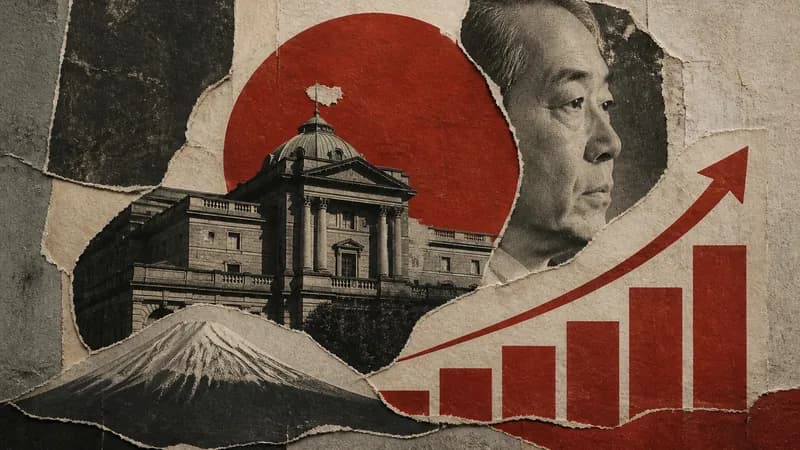
The Bank of Japan (BOJ) will raise its key interest rate to 1.0% in June, nearly two-thirds of economists said in a Reuters poll, as it presses ahead with normalising monetary policy amid rising inflation concerns from the war in Iran.
The policy rate was held steady at 0.75% last month, but three of the BOJ’s nine board members dissented and called for a hike to 1.00%, signalling growing alarm over inflationary pressures from the war-driven energy shock.
BOJ board member Kazuyuki Masu, who voted to keep rates steady in April, said on Thursday the bank should raise interest rates as soon as possible if there are no clear signs of an economic slowdown, suggesting he could join dissenters in backing a rate hike next month.
In the May 7-14 poll, 65% of economists, 40 of 62, forecast the policy rate would rise to 1.0% by end-June, similar to an April survey. All but one of 62 respondents expected a hike by end-September.
Median forecasts showed the BOJ raising rates to 1.25% in the fourth quarter and to 1.50% in the third quarter next year, the same as last month's poll.
The BOJ has also come under pressure after holding rates steady in April while Japanese authorities conducted repeated currency intervention to support the yen as it slid past the 160-per-dollar mark.
Many argue FX interventions like the roughly 10 trillion yen ($63.35 billion) spent in currency markets in recent weeks to stem the yen's slide are less effective without tighter monetary policy.
Nomura Securities Chief Economist Kyohei Morita said the BOJ would also be inclined to raise rates in June to address upside price risks stemming from yen depreciation, which is hurting the Japanese economy by pushing up import costs.