

Economy news
Explore Azerbaijan's economy: key sectors like oil, agriculture, tourism, and tech; government diversification policies; and macroeconomic outlook. Comprehensive authority content.

How Mortgage Decline Affects Housing Sales?
How does the decline in mortgage lending affect housing sales? Economist Vugar Oruc comments. Latest situation in the real estate market.
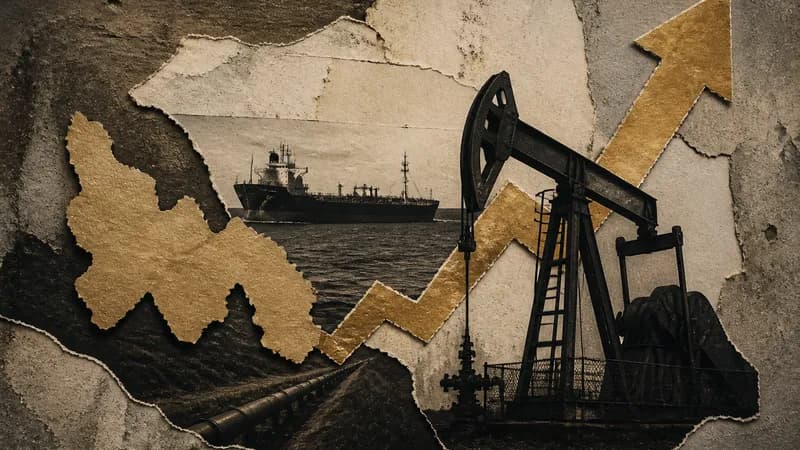
Azerbaijan oil price rises to $72.93
Azerbaijan oil price rises. "Azeri Light" crude reaches $72.93 per barrel. Stay updated.

Will Japan Buy Oil from Iran?
Japan begins talks to buy oil from Iran after US sanctions relief. Tehran seeks long-term exemptions and security guarantees.

Hadi Rajabli's son gets 350K job
A 354K manat contract for managing a boiler house in Agdam goes to Hadi Rajabli's son's company without open tender.

Updated 100 manat banknote enters circulation
The updated 100 manat banknote enters circulation July 15. Central Bank continues anti-counterfeiting measures.

Gold Surpasses $4,200
Gold futures on Comex surpass $4,200 per ounce. Latest data shows gold at $4,206.7, up 1.96%.

Turkey seeks to join SEPA
Turkey has expressed interest in joining SEPA, the Single Euro Payments Area, to facilitate cross-border payments and boost trade and investment with the EU.

Young journalists learn SOCAR's green energy plan
SOCAR held an info session at its Eco-Park for young media, presenting its green energy plan and decarbonization strategy.

Wheat to Armenia via Azerbaijan transit
14 wagons of wheat will be shipped from Russia to Armenia through Azerbaijan transit. The cargo departs from Bilajari station.

Free apartments for 45 people
45 free apartments in Saatli for disabled and martyr families. 18 three-room and 27 two-room units. Project cost 3.385 million manat.

New Changes to VAT Deposit Accounts
New changes to VAT deposit accounts: entrepreneurs gain ability to transfer funds to the State Social Protection Fund.

Sahil Babayev: BSTDB Plans to Finance SMEs
Finance Minister Sahil Babayev announced that the Black Sea Trade and Development Bank plans to finance small and medium-sized enterprises.

BSTDB to Finance Which Sectors in Azerbaijan?
BSTDB reveals sectors for financing in Azerbaijan: aviation, solar energy, logistics, tourism, education.

Sahil Babayev: 31 new projects worth €668 million approved
Finance Minister Sahil Babayev announced that 31 new projects worth over €668 million were approved last year, an 81% increase from the previous year.

Oil prices rise: Brent at $73.23
Oil prices rise globally. Brent crude reaches $73.23, WTI hits $69.76. Details on Bond.az.

BSTDB President Thanks Azerbaijan Government
BSTDB President Serhat Köksal thanked the Azerbaijani government at the Baku meeting for the reliable partnership.
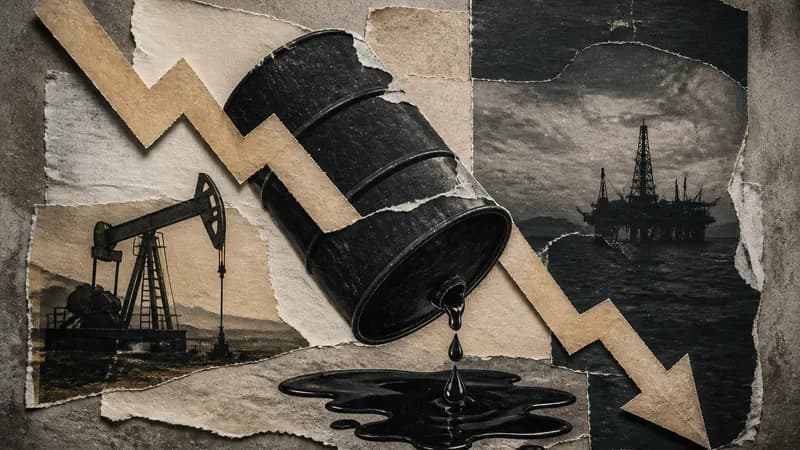
Azerbaijan's oil prices fall
Azerbaijan's Azeri Light crude oil price fell by 0.26 USD to 75.34 USD. Latest updates on oil price decline.

Public Procurement Eased for Non-Residents
Azerbaijan is simplifying public procurement for non-residents. A new bill eases performance and advance guarantee requirements, removing obstacles for foreign suppliers.

Import of non-food goods banned without conformity doc
Import of non-food consumer goods without conformity documents will be banned. New customs regulations ensure safety and support local industry.

VAT Deposit to SSIF Transfer Now Possible
Azerbaijan allows transferring funds from VAT deposit accounts to the State Social Protection Fund. Details on the new bill.

Penalties for online gambling tightened
Azerbaijani Parliament tightens penalties for online gambling. Virtual gambling, involvement of minors, and organized groups face stricter prison terms.

Investment Expenditures Underperformed?
Finance Minister Sahil Babayev commented on the underperformance of investment expenditures last year.

Parliament adopts budget execution law
Parliament adopted the law on the execution of the 2025 state budget. Budget revenues exceeded 39 billion manats.

Oil prices drop: Brent at $72.26
Oil prices edge lower ahead of Iran-US talks in Doha: Brent at $72.26, WTI at $70.08.

Sale of some bulbs banned in Azerbaijan
Starting July 1, Azerbaijan bans sale of incandescent bulbs between 25W and 60W under energy efficiency law.
Azerbaijan oil price rises
Azerbaijan oil price jumps 1.66% to $75.6 per barrel. Latest news on Azeri Light crude oil price increase.

Why Are Summer Fruits Not Getting Cheaper?
Summer fruits are not getting cheaper despite the season. Economist explains: weather and production costs.

New apartments for disabled and martyr families in Yardimli
Yardimli district to provide 32 new apartments to disabled persons and martyr families, with 2.6 million manats allocated.

938K manat for Baku school construction
Baku school No. 151 to be rebuilt. Construction and equipment cost 938,755 manat.

World Bank allocates $410M for Baku ecology
World Bank allocates $410 million for Baku's environmental improvement. Project covers waste, lakes, and institutional capacity.
Economy in-depth analysis
Understanding Azerbaijan's Economy: A Pillar of Sustainable Growth
Azerbaijan's economy has undergone a remarkable transformation over the past two decades, evolving from a post-Soviet transition state into a dynamic, diversified, and resilient economic system. The nation's strategic location at the crossroads of Europe and Asia, coupled with its rich natural resources, has positioned it as a key player in regional and global markets. This pillar content delves into the core sectors driving Azerbaijan's economic development, the government's strategic initiatives, and the outlook for sustainable growth.
Key Sectors Driving Economic Expansion
- Oil and Gas Sector: The backbone of Azerbaijan's economy, accounting for a significant portion of GDP and export revenues. Major projects like the Baku-Tbilisi-Ceyhan pipeline and the Shah Deniz gas field have solidified the country's role as a major energy supplier to Europe.
- Agriculture and Food Processing: With fertile lands and a favorable climate, Azerbaijan has prioritized agricultural modernization. Crops such as cotton, fruits, and vegetables are not only for domestic consumption but also for export, contributing to food security and trade balance.
- Tourism and Hospitality: The diverse landscape, from the Caspian Sea coastline to the Caucasus Mountains, attracts millions of tourists annually. The government has invested heavily in tourism infrastructure, promoting cultural and eco-tourism as key growth areas.
- Information Technology and Innovation: A nascent but rapidly growing sector, driven by government initiatives like 'Digital Azerbaijan' and the establishment of high-tech parks. Startups and tech hubs are emerging, fostering entrepreneurship and job creation.
Government Policies and Economic Diversification
Recognizing the volatility of oil-dependent economies, Azerbaijan has implemented strategic frameworks such as 'Azerbaijan 2030: National Priorities for Socio-Economic Development.' These policies aim to reduce reliance on hydrocarbons by investing in non-oil sectors, improving the business environment, and fostering private sector growth. Key measures include tax incentives for small and medium enterprises, streamlined licensing procedures, and special economic zones like the Alat Free Trade Zone. For more insights on Azerbaijan's economic landscape, explore our dedicated economy coverage.
Macroeconomic Stability and Forecast
Azerbaijan has maintained macroeconomic stability through prudent fiscal management, a stable banking sector, and low inflation. The Central Bank of Azerbaijan has adopted a managed float exchange rate regime, ensuring external competitiveness while controlling price pressures. International institutions like the IMF and World Bank project moderate GDP growth in the medium term, driven by increased gas exports and the recovery of non-oil activity. Challenges remain, such as the need for further structural reforms and fiscal consolidation, but the overall outlook is positive.
Conclusion
Azerbaijan's economy is on a steady path towards diversification and sustainable growth. By leveraging its strategic advantages and implementing forward-looking policies, the country is building a resilient economic model that benefits all citizens. Continued investment in human capital, infrastructure, and innovation will be crucial to maintaining momentum and achieving long-term prosperity.