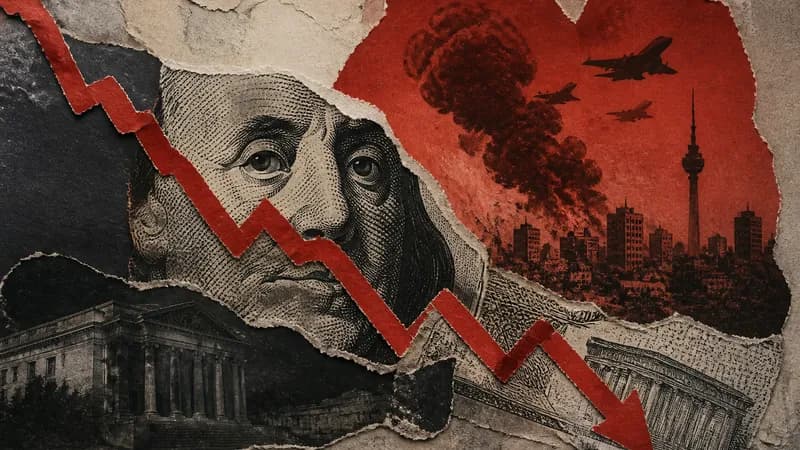
LONDON – Investors are waking up to the worry that war in Iran may bring a lasting inflationary shock, pushing sovereign bond yields to decade highs and raising the risk of a severe hit to spending power.
The average rate at which G7 governments must pay to borrow for 10 years has hit nearly 4%, up from around 3.2% before the war started. Thirty-year borrowing costs have reached an average of 4.6%, up from 4%.
"It feels like a bit of a perfect storm at the moment," said Tom Ross, head of high yield at Janus Henderson. "The rates market has been grappling with the idea of inflation caused by strains from the Middle East and oil."
Benchmark 10-year U.S. Treasury yields jumped to 4.631%, their highest since February 2025, while 30-year yields hit a one-year high of 5.159%.
Markets are now pricing in a more than 50% chance the U.S. Federal Reserve will raise rates by December, a huge reversal from expectations prior to the Iran war.
G7 finance ministers met in Paris on Monday to discuss the market ructions. "We are no longer in a period where public debt is not a subject," French Finance Minister Roland Lescure said.
Yields on the 30-year Japanese government bond jumped to a record 4.200%. German 10-year Bund yields hit a 15-year top of 3.193%.
Inflationary pressures are coming through globally. U.S. consumer and producer prices surged in April, with similar readings in China, Germany and Japan.