U.S. Secretary of State Marco Rubio arrived in India on Saturday on an official diplomatic mission to repair bilateral ties strained by trade tariffs and shifts in Washington’s regional foreign policy.
The four-day visit represents Rubio’s first trip to the South Asian nation and will include stops in New Delhi, Kolkata, Agra, and Jaipur. The State Department confirmed that high-level discussions will focus on trade frameworks, bilateral energy security, and defense cooperation.
Rubio landed in Kolkata on Saturday morning and is scheduled to meet with Indian Prime Minister Narendra Modi in New Delhi later in the day.
The diplomatic push follows a period of heightened trade friction. Following a temporary de-escalation via an interim agreement, Washington and New Delhi have yet to finalize a comprehensive trade pact.
Efforts to solidify a broader alliance have faced logistical hurdles and competing diplomatic priorities, including the ongoing U.S.-Israeli war on Iran.
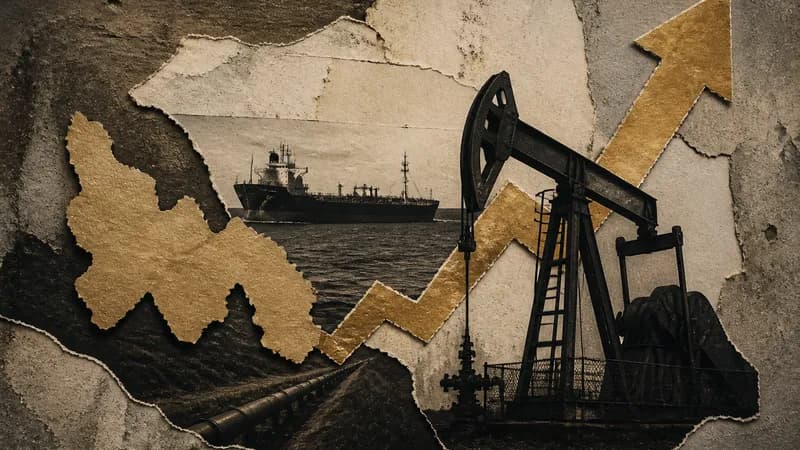
Furthermore, Washington’s deepening diplomatic engagement with Islamabad during the Middle East conflict has introduced fresh geopolitical friction. Rubio noted on Thursday that the U.S. is actively negotiating to expand its share of India’s domestic energy supply.
Bilateral economic ties experienced significant volatility following a major tariff escalation last year.
While the two nations established a preliminary framework in February to lower specific duties on Indian goods to 18% from an initial 50%, the negotiation landscape shifted after a late-February U.S. Supreme Court ruling struck down the underlying tariffs.
The legal decision effectively reduced the current duty rate on Indian imports to 10%. However, New Delhi remains cautious as the Trump administration continues parallel investigations under unfair trade practices legislation.
Concurrently, institutional cooperation via the Quadrilateral Security Dialogue faces operational delays. India’s repeated requests to schedule a leader-level Quad summit in New Delhi have remained unfulfilled.
Rubio is scheduled to meet with regional foreign ministers in New Delhi next week, the third consecutive ministerial gathering convened without a corresponding head-of-state summit.
Defense experts note this pattern represents a functional downgrade of the grouping originally formed to counter Chinese influence in the Indo-Pacific region.