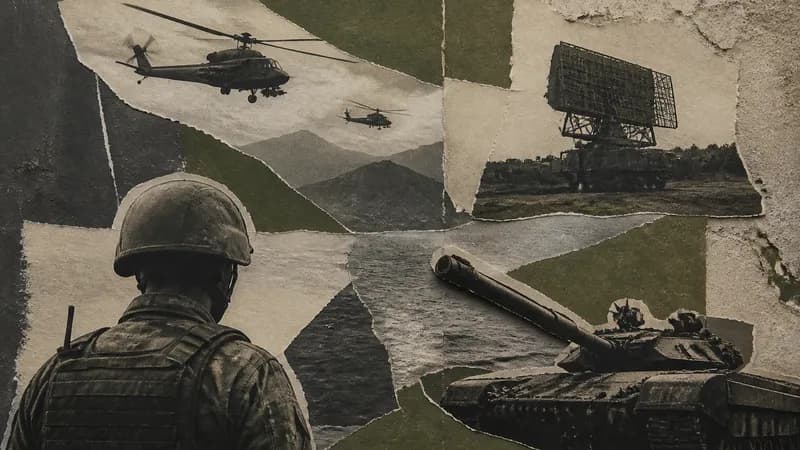
According to this year's training plan, the Naval Forces (NF) conducted a large-scale tactical drill with live fire involving the Air Forces (AF), the Coast Guard of the State Border Service (CGSBS), and the Ministry of Emergency Situations (MES).
The exercise, titled 'Conducting defensive operations against threats to critical energy infrastructure at sea and coastal areas,' was carried out in several stages.
The drill included combat, combat support, and logistics ships of the NF, as well as naval special forces and marine units.
The goal was to improve command staff's decision-making skills in extreme situations and to check the readiness of ships to perform combat tasks individually and as part of tactical groups.
Units were alerted, brought to full combat readiness, and deployed to operational areas.
During the live-fire training, patrol activities, prevention of sabotage and attacks, as well as destruction of air, surface, and underwater targets, floating mines, and bases were successfully executed.
In the next phase, naval special forces, in cooperation with NF and CGSBS ships, carried out protection and defense tasks for critical infrastructure, neutralizing enemy reconnaissance and sabotage groups.
With helicopter support, they landed on terrorist bases and neutralized armed groups hiding in shelters on islands and coastal areas.
Ship Operations Groups, consisting of naval special forces, conducted operations to stop a seized ship and rescue hostages, supported by helicopter fire and artillery boats.
Marine units executed tactical operations to free hostages held by terrorist groups in a captured settlement.
Firefighting, rescue of injured and drowning people, and neutralization of mines attached to the ship's hull were carried out by the NF Search and Rescue Service and MES ships, boats, divers, and rescue helicopters.
Rapid rescue boats evacuated seriously injured to a medical ship.
The exercise concluded with a demonstration passage of ships, boats, special equipment, and new armed unmanned naval vehicles.
The main focus was on improving joint operations and coordination in protecting critical energy infrastructure in the Caspian Sea, territorial waters, and coastal areas.