


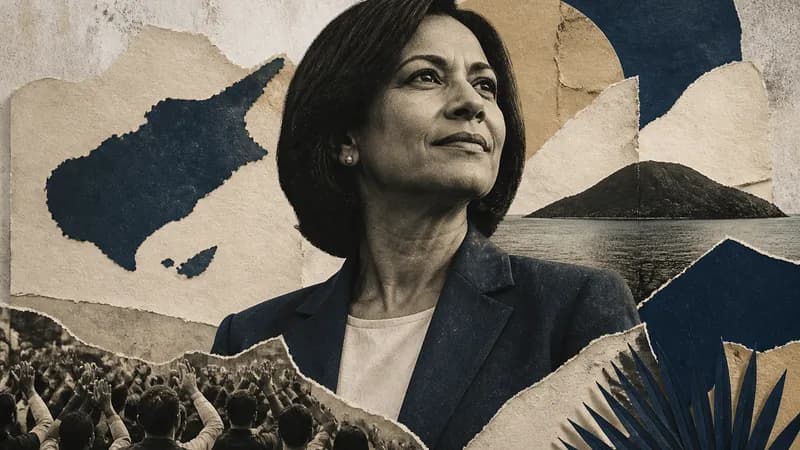
Ameenah Gurib-Fakim, the first female president of Mauritius, stressed the importance of gender equality in urban development at the Women's Assembly during WUF13.
She stated that urban planning and construction must be more inclusive, with policies involving all stakeholders. The differential impact of disasters on genders must be recognized.
Women's and men's knowledge and skills are vital for community survival. Addressing real family situations requires fundamental changes in mindset and practice.
Gender-responsive urban development demands continuous attention to all genders' needs. Women's experiences are invaluable in shaping urban environments.
Affordable and accessible housing is crucial for gender equality, reducing women's unequal burden and enabling them to thrive.
Inclusive economic efficiency expands women's access to economic opportunities. Gender-sensitive employment policies, flexible hours, and entrepreneurship support are needed.
Fourth is inclusive public participation. Women's meaningful involvement in urban planning ensures their voices are heard.
Urbanization involves complex rural-urban interactions, often overlooked by policymakers. Recognizing the gendered nature of urban spaces helps build inclusive cities for all.


